
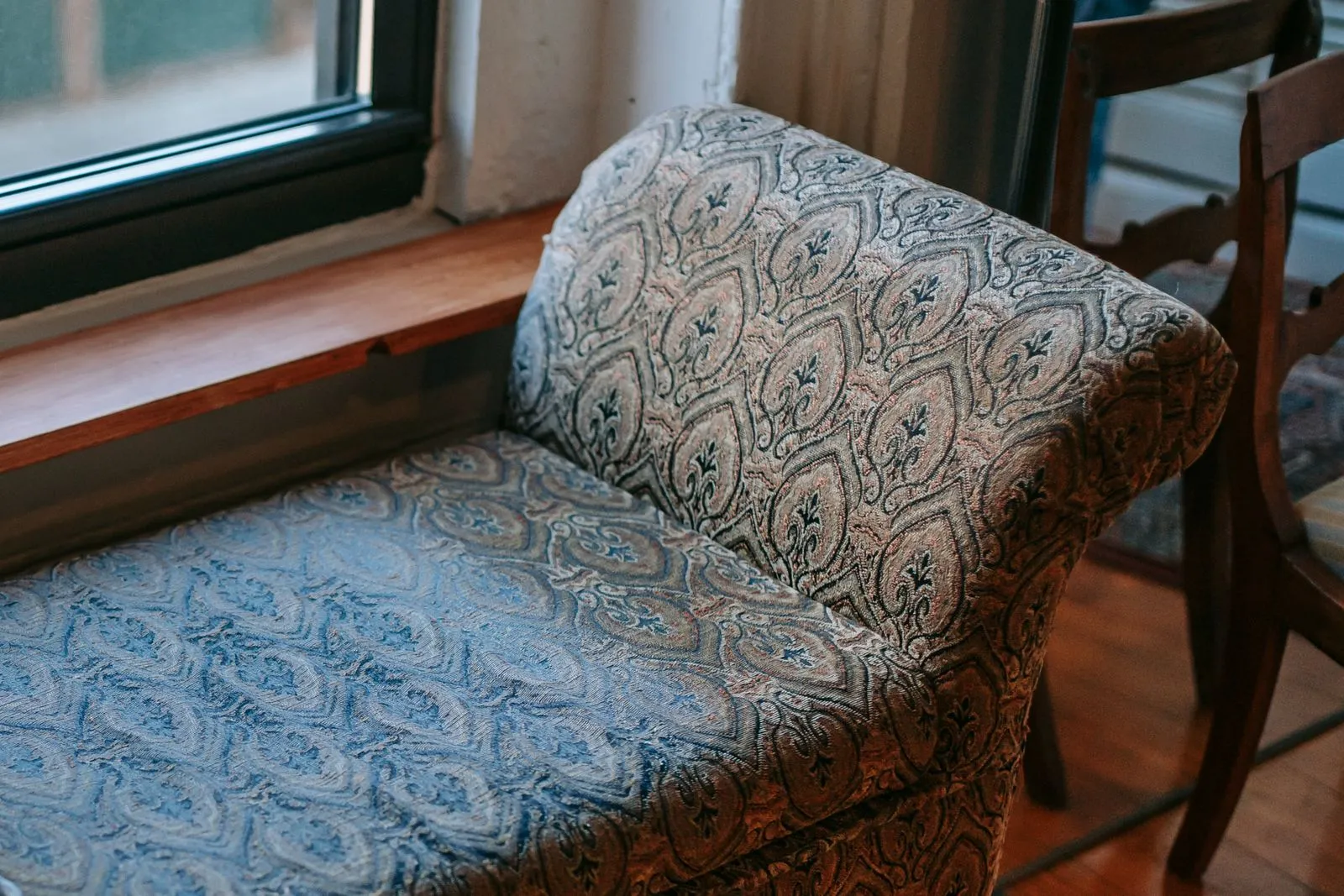
Restaurant booths face spills, crumbs, friction, and frequent contact throughout the day. A consistent care routine helps vinyl upholstery stay clean and presentable while reducing avoidable wear. The key is to act quickly, use mild cleaning products, and avoid tools or chemicals that can damage the surface. These practical steps fit into opening, closing, and between-service routines, so staff can care for booths without adding a complicated process to a busy shift.
Wipe Booths Every Day
Remove crumbs and loose debris with a soft cloth before wiping the seat and back. Use a clean cloth dampened with warm water and a small amount of mild soap. Wipe gently, then go over the surface with a separate damp cloth to remove soap residue. Finish by drying with a soft towel, especially along seams and tucked edges where moisture can linger.
Avoid abrasive pads, stiff brushes, and scouring powders. These can scratch or dull the vinyl, making the surface harder to clean over time. Skip bleach, strong solvents, and all-purpose cleaners unless the upholstery manufacturer confirms they are safe for that material. When trying a new cleaner, test it on a hidden area first and check for changes in color or texture.
Respond to Spills Promptly
Blot a fresh spill with a clean, absorbent cloth instead of rubbing it across the vinyl. Rubbing can spread the mess and push residue toward seams. Once you have lifted what you can, wipe the area with mild soapy water, rinse with a damp cloth, and dry it. For sticky food or drink, repeat the gentle cleaning rather than reaching for a harsh product.
Check the booth’s seams and edges after spills, particularly around buttons, piping, and seat joints. If liquid has collected in a seam, lift it with a clean cloth and let the area dry fully before the booth returns to service. Do not use excessive water or direct heat to speed drying; both can create problems for upholstery materials and their underlying structure.
Reduce Everyday Wear
Include a quick booth check in routine cleaning. Look for crumbs in seat gaps, loose stitching, small tears, and areas where the vinyl looks unusually shiny or worn. Remove debris with a soft cloth or a vacuum attachment designed for upholstery. Avoid dragging sharp-edged items across the seat, and keep tools, keys, and cleaning equipment from resting on the vinyl.
Use cleaning cloths and products as directed, and change cloths when they become dirty so grit does not scratch the surface. If a table or nearby fixture has a rough edge that repeatedly rubs against a booth, address the contact point rather than cleaning around the damage. Small issues are easier to manage when staff report them early and the booth is checked regularly.
Set a Clear Staff Routine
Give staff a simple sequence to follow: remove crumbs, wipe with mild cleaner, rinse away residue, dry, and inspect. Keep the approved cloths and cleaner together in a clearly marked spot. A consistent process helps prevent someone from using a strong product or abrasive tool simply because it is nearby.
Follow any care instructions provided for the specific vinyl installed on your booths. Vinyl types and finishes can differ, so a product that works on one surface may not be suitable for another. If stains remain after gentle cleaning, or if the material is cracking, peeling, or separating at a seam, ask an upholstery professional for guidance instead of escalating to harsher chemicals.
Daily dust and crumb removal, quick spill response, and gentle cleaning can help vinyl booths stay presentable through regular service. Train staff to use the same safe process and report damage early. If a booth needs more than routine cleaning, contact Santa Barbara Boothworks to discuss upholstery care or repair options.